


Rosary Sourcing: Quality Control Is a Factory's Real Edge
If you've been in the rosary export business for a while, you know the drill. This isn't like phone cases or keychains where buyers care about how fast you iterate. What they care about is whether the second batch looks the same as the first. Bead diameter off by a fraction of a millimeter, color shifted a bit, braiding too loose or too tight — customers spot it the moment they open the package.
And rosaries are handmade work, which makes it tricky. Peruvian knot braiding, assembly, surface finishing — every step has human hands in it, and that's exactly where small workshops tend to mess up. Color mismatches, wrong sizes, fading, loose or missing fittings. Once these issues hit your cross-border store, bad reviews pile up, after-sales costs eat your margins, and in worst cases, the whole batch comes back. You worked for nothing.
That's why trading companies and cross-border sellers, when picking a factory these days, don't look at price first anymore. They ask about quality control.
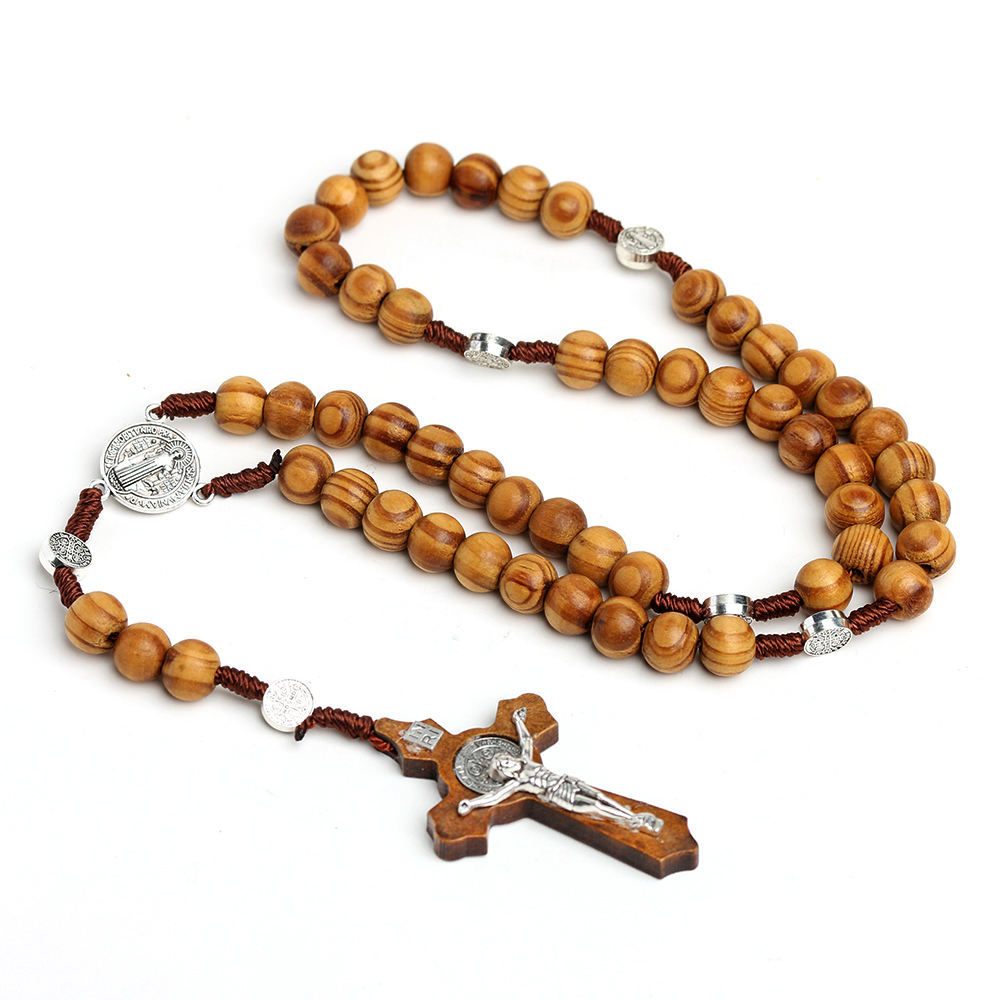
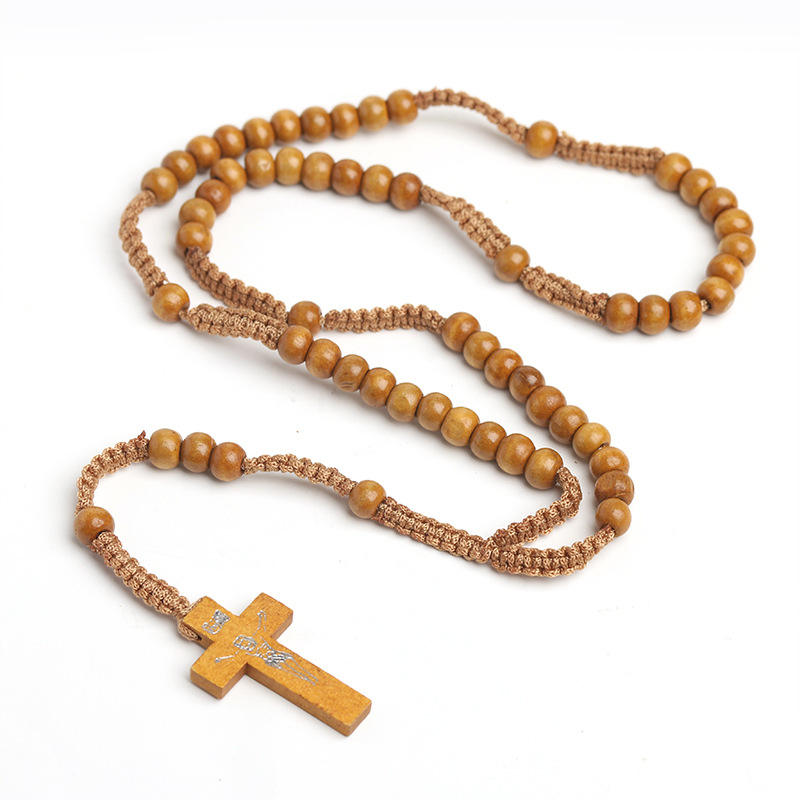
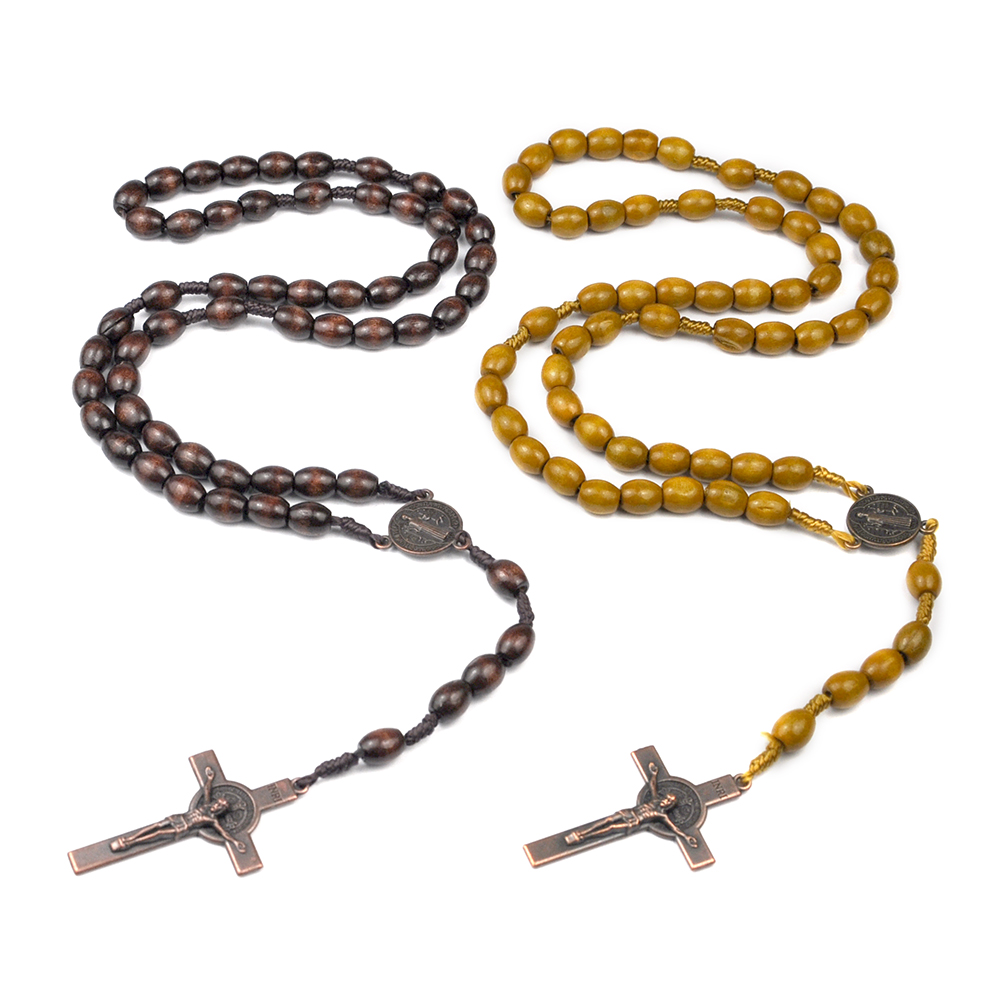
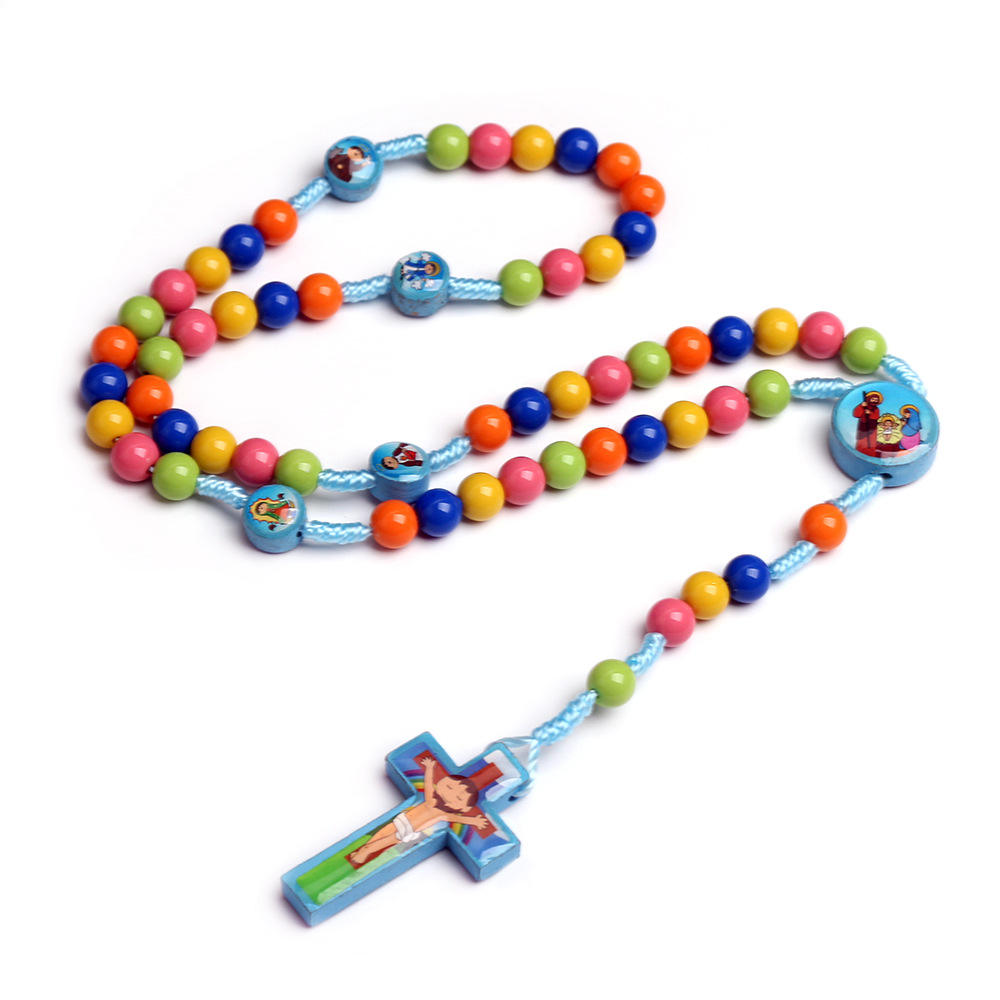
Among rosary factories in Yiwu, Tianlü Crafts is a bit of an exception. While other plants do a bit of everything, we zero in on rosaries and adjacent categories. A 1,260-square-meter workshop, everything from raw materials coming in to finished goods going out, all kept in-house. The advantage is straightforward: the production line does one thing, so process standards and inspection routines can be refined over and over without spreading thin across a dozen categories.
So what does QC actually look like? Not just talk — here's the breakdown:
Materials get screened before they enter the warehouse. Wood, glass beads, metal fittings — sorted and checked before they hit the line. Anything with obvious color variation or inconsistent material gets pulled. A lot of small shops skip this step. They grab whatever arrives, start running it, and only catch problems after the product's done. Rework ends up costing way more.
On the production line: die casting, polishing, plating, hand-finishing — each step has its own operating standard, with inspectors walking the floor during production. The braiding step is where things go sideways most easily. Switch to a different worker with a different technique, and the tightness and knot style change within the same batch. That's why the crew stays fixed and the technique stays consistent — keeping human variation to a minimum.
Before shipping, every piece gets inspected. Not sampling — full inspection. Color deviation, deformation, loose parts, burrs — checked one by one, rejects pulled aside. Full inspection costs more than sampling, obviously. But rosaries are low-price, high-volume. Ship defects overseas and get them returned? That freight and labor hit costs way more than having someone look at each piece one more time.
Plain and simple: quality control isn't something you rescue at the last inspection station. It's something you hold together at every single step. The factory keeps its standards steady, trading companies get reliable goods, sellers deal with fewer headaches.
This is how Tianlü landed long-term orders from multiple trading companies. Trading companies have a habit when picking factories: first order is always small — a test. They verify batch consistency before scaling up. Tianlü's spot inventory starts at 1 piece, ships within 48 hours, so trading companies can sample at basically zero cost. Once they confirm quality, they move to OEM customization (1,200-piece minimum, 15–25 day lead time). A lot of clients started this way — small test orders that grew into quarterly bulk repeats. Some have been reordering for over five years now.
Products ship far and wide — the US, Canada, UK, Australia, Germany, France, Italy, Spain, Mexico, Brazil, the Philippines. But people in different places like different things. Western markets lean toward clean, natural-material designs. Middle Eastern and Southeast Asian buyers prefer richer colors and more intricate craftsmanship. The factory adjusts materials, colorways, and finishing details by region — not serving the same plate to everyone.
We built a supply chain site, RosaryBase (rosarybase.com), with over 900 SKUs listed. You can generate PI quotes online directly — handy for trading companies handling inquiries and negotiations. You land on the site, find what you need right away, no digging through a pile of unrelated categories.
At the end of the day, when sourcing rosaries from a factory, don't look at the price tag first. Can they keep batch quality consistent? Can they hit delivery deadlines? Are their process standards uniform across runs? Those are the things that decide whether you can work with them long-term. Start with a small order, verify quality consistency, then scale up. That's the safe play.